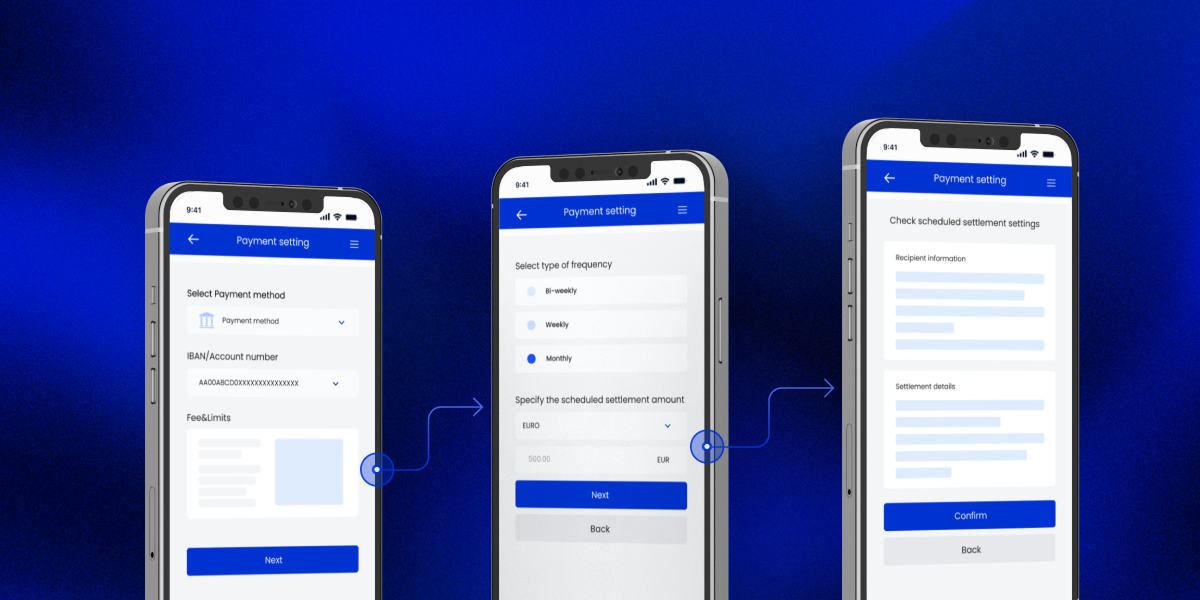
Most small business owners do not think about their payment setup until something breaks. A frozen account, a failed transaction, a chargeback nobody warned them about. By then the damage is already done. The right payment setup handles all of that quietly in the background so you can focus on running your business.
Finding the best payment gateway for small business USA is not just about picking the lowest fee. It is about finding a setup that stays stable, integrates with your tools, and does not freeze your account when your volume grows.
Cash now covers only 14% of US transactions. That number keeps dropping every year. If your checkout cannot handle digital payments, you are already leaving money on the table.
Businesses that adapted early to accepting multiple payment types grew faster, served more customers, and avoided the cash flow headaches that slow everyone else down. The future of small business payment processing is digital and the time to get set up properly is now.
Why Your Payment Setup Matters More Than You Think
The average US small business loses $17,500 a year to late and failed payments according to a 2026 QuickBooks report. Most of that comes from outdated payment systems that were never properly set up in the first place.
Getting this right from the start saves you time, money, and a significant amount of stress down the road.
The Main Online Payment Options to Know
1. Dedicated Merchant Account for Small Business: The Most Stable Option
This is the most stable option for any serious small business. A dedicated merchant account means your funds are not pooled with thousands of other merchants.
You get your own processing line, better approval rates, and far less risk of sudden holds or account freezes. It is a must if you are scaling up or running a high-volume store. Mercuria Payments specializes in dedicated merchant accounts for small businesses across the USA with approval in 24 to 48 hours.
2. Payment Gateways
A payment gateway is what sits between your customer’s card and your bank account. It encrypts the data, checks for fraud, and moves the money through.
Top platforms support over 100 payment methods and offer built-in fraud detection and recurring billing tools. Solid gateways also plug directly into Shopify, WooCommerce, HighLevel, and most major ecommerce platforms.
3. PayPal and Digital Wallet Processing
PayPal lets you send invoices, accept payments through a custom link, and embed payment buttons on your website with no setup or monthly fees.
It is great for freelancers and low-volume sellers. That said, the fees stack up fast at higher volumes and some customers do not love being redirected off your site.
4. ACH and Bank Transfers
ACH transfers move money directly between bank accounts. Fees are low, sometimes as little as $0.25 per transaction.
This works really well for B2B payments, subscriptions, and recurring invoices. It is slower than card processing, usually two to three business days, but the cost savings add up for high-volume businesses.
5. Mobile POS Systems
If you are selling at markets, pop-ups, or anywhere in person, a mobile point-of-sale setup is essential. Options like Square and Clover let you take tap, chip, or swipe payments right from your phone.
More than 90% of Americans visit a small business at least once per week and they want to pay their preferred way. A mobile POS keeps you ready for that.
What to Look for When Choosing the Best Payment Gateway for Small Businesses in the USA
When you are comparing processors, do not just look at the transaction fee on the surface. There is a lot more going on under the hood.
Think about chargeback protection, recurring billing support, fraud scoring, and whether the gateway integrates with the tools you are already using. The best payment gateway for small businesses in the USA is one that fits your actual business model, not just a generic one-size-fits-all setup.
Some businesses also need specialized processing. High-ticket transactions, digital products, subscription models, and trial offers can all put you in a high risk category with standard processors. That means getting approved for a processor that actually understands your industry matters. High risk payment processing for small businesses requires a provider with real banking relationships, not just a standard aggregator account.
How to Pick the Right Option for Your Business
The best payment method for your business depends on factors like transaction size, customer preferences, and how your accounting system integrates with your payment processes.
If you are ecommerce-focused, you want a gateway with strong fraud tools and platform integrations. If you do recurring billing, go for a processor that handles subscriptions natively. If you are high risk or in a grey-zone industry, you need a provider who will not freeze your account six months in.
Do not just sign up for the first option that shows up in a Google ad.
Final Thoughts
Running a small business is hard enough. Your payments should not be one of the things slowing you down.
The right small business payment processing setup is one that works quietly in the background, handles the complexity, and keeps your cash flow moving. Whether you need a gateway, a full merchant account, or chargeback protection built in, there is a solution built for exactly what you do.
Take the time to compare your options. If you need a stable dedicated merchant account with proper underwriting, chargeback protection, and 500-plus platform integrations, it was built exactly for that.
Frequently asked questions
What is the cheapest way for small businesses to accept online payments?
ACH bank transfers have the lowest fees, typically under $0.50 per transaction. For card payments, look for processors with flat-rate or interchange-plus pricing to avoid hidden markups.
What is the difference between a payment gateway and a merchant account?
A merchant account holds your funds after a transaction. A payment gateway is the technology that processes the payment. Most businesses need both working together.
How fast can a small business get set up with a payment gateway?
Most accounts go live within 24 to 48 hours. Proper underwriting upfront helps avoid holds or surprises later on.
What makes a business high risk for payment processing?
Recurring billing, digital products, high chargeback rates, and certain industries like supplements or online courses can all trigger a high risk classification. It does not mean you cannot get approved. It just means you need the right processor.
Can I use PayPal as my only payment processor?
You can, but it is not ideal for scaling businesses. PayPal accounts can be frozen without much warning and fees get expensive at higher volumes. A dedicated merchant account is more stable long-term.