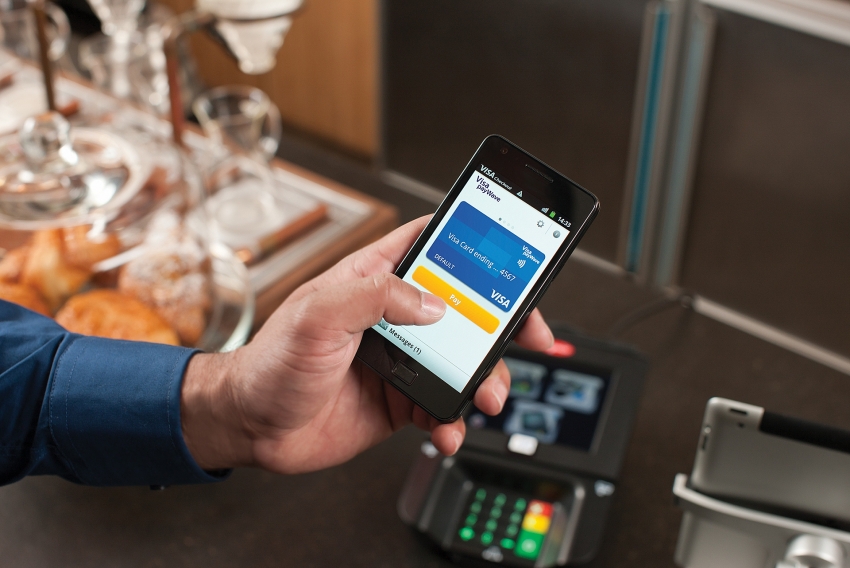
Most people start a business to sell something they are good at, not to become experts in payment infrastructure. But small business online credit card processing is one of those things you really cannot wing. Get it wrong and it quietly costs you customers, cash flow, and sometimes your entire processing account.
Credit cards now make up 35% of all US consumer payments. More than debit cards. More than cash. That is not a trend anymore, that is just how people buy things.
Ten years ago you could still get away with limited payment options. That is not the case anymore. Customers expect to tap, click, or wallet their way through checkout without thinking twice. If your setup makes that awkward, they leave.
Before You Pick a Processor, Get These in Place
A lot of small business owners jump straight to comparing processors before they even have the basics sorted. Do not do that. Here is what you actually need first.
A business bank account. Your settled funds land here. Processing fees and chargebacks come out of here too, so keep it completely separate from your personal account.
A merchant account. This holds your money temporarily after a transaction clears before it moves to your bank. Some processors include it automatically. Others make you set it up separately.
A payment gateway. This is the tech layer that encrypts your customer’s card details and routes everything through to the card networks for approval. No gateway means no online transactions, full stop.
The Fee Conversation Nobody Has With You Upfront
This is honestly where most small business owners get burned. The number you see advertised is almost never the only number you will pay.
Expect somewhere between 1.5% and 3.5% per transaction depending on your industry and how the payment is taken. Online and manually keyed transactions cost more than in-person chip or tap because the fraud risk is higher on the processor’s end.
Then there are the fees hiding in the fine print. Monthly platform fees, gateway fees, PCI compliance fees, chargeback fees. Some only show up after you have already signed.
On pricing models, flat-rate is simple and easy to predict. Interchange-plus is more transparent and usually cheaper once your volume picks up. Tiered pricing looks appealing on the surface but tends to cost more in practice. Know the difference before you commit.
Okay, Here Is How You Actually Get Set Up
Once the basics are sorted, the process itself is not that complicated.
Step 1: Pick a Processor That Fits Your Business Do not start with the most recognizable name. Start with your business model. Are you purely ecommerce? Do you sell in person too? Do you run subscriptions or trial offers? Your answers matter way more than brand recognition when it comes to picking the right fit.
Step 2: Apply and Go Through Underwriting Most applications ask for basic business info, your EIN, a voided check, and sometimes recent processing history if you have accepted cards before. Standard approvals usually come back within a day or two.
Step 3: Connect Your Gateway to Your Platform For online selling, your gateway needs to plug into your website or store. Most processors support Shopify, WooCommerce, HighLevel, SamCart, and similar platforms. Some offer hosted checkout pages too, so you do not have to build anything from scratch.
Step 4: Run a Test Before You Go Live Always run a small test transaction on your own card before you open things up. Confirm the payment goes through, the funds route correctly, and your confirmation emails fire properly. Skipping this step is asking for a bad surprise on day one.
The High Risk Trap That Catches People Off Guard
Here is something most guides just do not talk about. If your business model involves subscriptions, trial offers, digital products, or high-ticket sales, a lot of standard processors will approve you, let you process for a few months, and then freeze your account without warning.
That freeze does not just stop incoming payments. It can hold your existing funds too. It is a genuinely horrible situation to be in when you are trying to run a business.
This is exactly why providers like Mercuria Payments exist. Rather than lumping you into a pooled account with thousands of other merchants, they actually underwrite your business properly and match you with a dedicated merchant account built around your model. Low risk, medium risk, high risk, they build the setup around what you actually do.
What to Think About Beyond the Initial Setup
Getting approved and going live is only the first part. You want a setup that works just as well six months from now as it does on day one.
Look for strong fraud detection tools, real chargeback management support, and integrations that play nicely with the tools you are already using. If recurring billing is part of your business, make sure it is handled natively and not through some patched-together workaround.
And honestly, support matters more than people realize. When something breaks at checkout on a Friday night, you want someone who actually knows your account on the other end of that call.
Final Thoughts
Getting small business online credit card processing set up properly from the start is one of those investments that pays you back quietly for years. Get it wrong and you are dealing with frozen accounts, hidden fees, or a painful platform migration right when your business is finally gaining traction.
Know your volume. Know your risk profile. Know what your customers expect when they hit your checkout page. Build from there.
Frequently asked questions
What is the most cost-effective pricing model for small businesses?
Interchange-plus is usually the best value once you have consistent monthly volume. Flat-rate is simpler if you are just starting out and want predictable costs.
Do I really need both a merchant account and a payment gateway?
Yes. They do different jobs. The gateway handles secure data transmission. The merchant account holds your funds between the transaction and your bank deposit. Most providers bundle them together but both are working behind the scenes.
How long does getting approved for credit card processing take?
Most standard accounts come back approved within one to two business days. If your business model is more complex or considered high risk, underwriting can take a few days longer.
Why do accounts get frozen after processing for a few months?
It usually happens when a generic processor flags your business model after the fact. Proper upfront underwriting with a dedicated merchant account prevents this from happening.
Can I switch processors later if it is not working out?
You can, but it is genuinely a hassle. Re-integrating your gateway, migrating stored card data, and retesting everything takes real time. Getting the right setup from day one is a lot easier than fixing it later.